
Concrete Steps & Stairs
Safe, durable concrete steps and stairs for entryways, decks, and outdoor spaces throughout San Bruno.
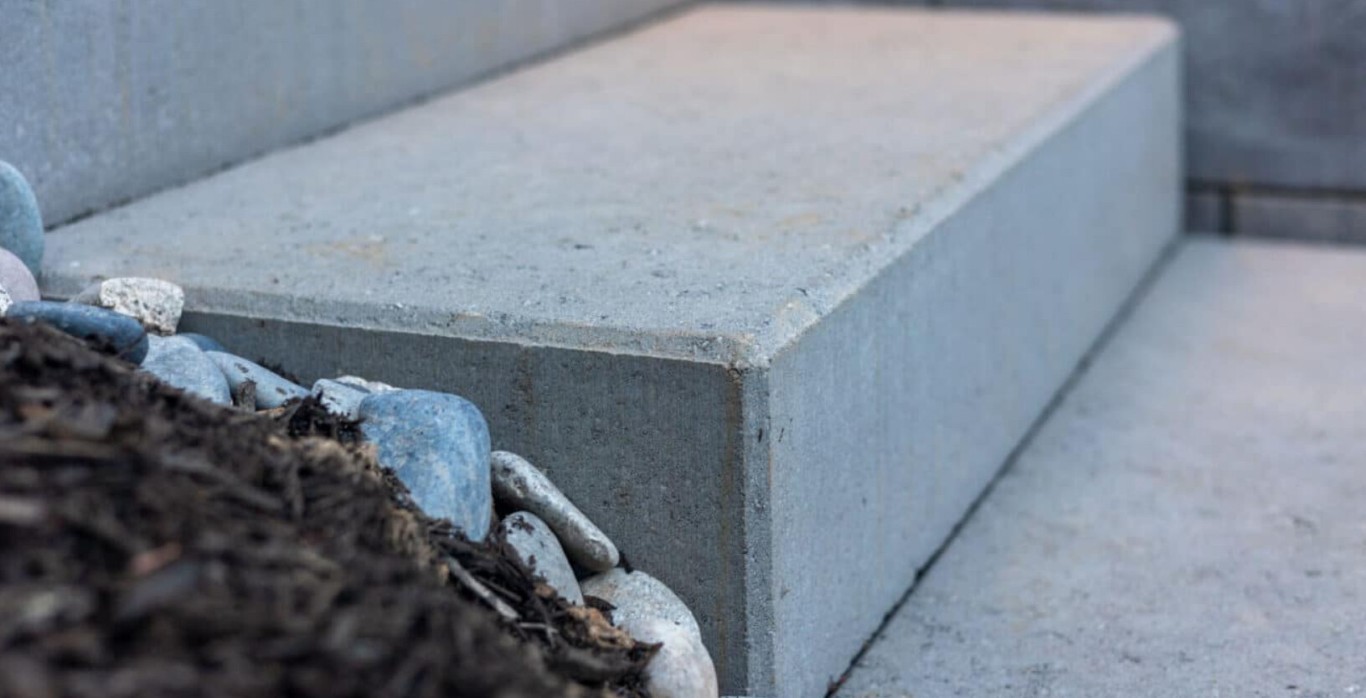
Steps That Are Safe, Strong, and Attractive
Your steps are one of the most used parts of your property. You walk on them multiple times every day, often carrying groceries, packages, or children. They need to be safe, stable, and comfortable to use. Damaged, uneven, or poorly designed steps create serious safety hazards and liability issues. Well-built concrete steps provide decades of reliable service while adding to your property's appearance and value.
Concrete is the ideal material for exterior steps. It handles our Bay Area weather perfectly, does not rot or rust, and requires minimal maintenance. Unlike wood steps that need constant repair and eventually rot, concrete steps last 30 to 50 years with proper installation. They support heavy loads without flexing or creaking, stay secure to your foundation, and maintain their shape and level over time.
We build concrete steps for homes and businesses throughout San Bruno. From simple porch steps to elaborate stairways connecting multiple levels of your yard, we have the experience to design and build steps that work perfectly for your property. Every step project gets careful attention to safety codes, proper dimensions, and quality construction that ensures years of trouble-free use.
Designing Steps That Work Right
Step dimensions matter more than you might think. Building codes specify maximum riser height (the vertical part) and minimum tread depth (the horizontal part you step on) for good reasons. Steps that are too steep are dangerous and uncomfortable. Steps with inconsistent dimensions cause trips and falls because your body expects each step to be the same. We follow code requirements and use dimensions that create safe, comfortable steps you barely have to think about when using them.
The standard residential step has a 7 to 7.5 inch rise and an 11 inch tread depth. This ratio feels natural for most people. Commercial steps often have shallower rises and deeper treads for easier access and ADA compliance. The width of your steps depends on their location and use. Entry steps should be at least 36 inches wide, though 48 inches or wider creates a more welcoming appearance. Side or utility steps can be narrower.
Landings provide safe resting spots on long stairways and are required by code for stairs over a certain height. A landing should be at least as deep as your stairs are wide. For steps leading to doors, the landing needs to be large enough that the door can swing freely without hitting anyone standing on the landing. These details might seem minor, but they make the difference between steps that feel safe and comfortable and steps that feel awkward or dangerous.
Handrails are required for stairways with more than three risers in most jurisdictions. Even if not required, handrails add safety and make steps easier to use for everyone, especially children and elderly family members. We can install metal handrails or build concrete walls on one or both sides that serve as railings. The choice depends on your needs, budget, and aesthetic preferences.
Features for Better Steps
- Slip-resistant finishes like broom texture or exposed aggregate
- Proper slope for water drainage without creating slippery surfaces
- Integrated lighting for safety at night
- Color and decorative finishes to match your home
- Built-in planters or walls for visual interest
- Curved or angled designs for challenging sites
- Sturdy construction that handles freeze-thaw cycles without damage
Construction Process for Concrete Steps
Building quality concrete steps requires more skill than pouring a flat slab. The process starts with careful planning and layout. We measure the total rise (vertical distance from bottom to top) and calculate how many steps are needed to achieve safe riser heights. We mark where each step will go and make sure the layout works with your entrance, walkway, or the space where stairs will land.
Excavation and base preparation come next. Steps need solid footings at the bottom to prevent settling. We dig below the frost line and pour footings that provide a stable foundation. If steps connect to your house, we tie them into your existing foundation with rebar to prevent separation. For free-standing steps, footings go deep enough to support the entire stairway without movement.
Forming steps is where craftsmanship really shows. Each step requires precise forms that create the right dimensions. The forms must be strong enough to hold wet concrete without bowing or shifting. We use bracing and stakes to keep everything in place. For steps with curves or decorative elements, forming becomes even more complex. Our experienced crew knows how to build forms that produce perfectly shaped steps.
Reinforcement goes in before we pour concrete. Steel rebar runs through the steps and ties into footings and any connecting structures. This reinforcement prevents cracks and holds the steps together as a single, strong unit. We place rebar carefully according to engineering requirements and code specifications.
The concrete pour requires coordination and timing. We fill the forms from bottom to top, vibrating concrete to remove air pockets and ensure it flows into all corners. Each step gets leveled and finished before the concrete sets. Tread surfaces receive texture for traction while risers get a smooth finish. The edges need to be perfect because flaws in step edges are very visible and create wear points. After finishing, concrete must cure properly before the forms are removed and steps are used.
Repair and Replacement Options
Older concrete steps often develop problems. Cracks appear due to settling, freeze-thaw damage, or simply age. Edges chip and crumble from years of use and snow shoveling. Steps can pull away from the house, creating dangerous gaps. The surface becomes rough, pitted, or uneven. While some damage can be repaired, extensive deterioration usually means replacement is the better choice.
For minor damage, we can patch cracks, rebuild corners, and resurface treads. These repairs extend the life of your steps and improve safety without the cost of full replacement. We use bonding agents and repair mortars specifically designed for step repairs. The patches are strong and durable, though they might be slightly visible depending on how well they match your existing concrete.
When steps have settled or pulled away from your house, we can sometimes lift and reset them. This involves carefully raising the steps, rebuilding the base underneath, and securing them back to your foundation. It is less expensive than replacement but only works if the concrete itself is still in good condition. We evaluate each situation and recommend the most practical solution.
Complete replacement makes sense when repairs would cost almost as much as new steps, when damage is extensive, or when you want to change the design. New steps also give you the opportunity to improve width, add handrails, update the style, or fix design problems with your old steps. If your current steps are awkward to use or do not meet current codes, replacement lets you build steps that work better for your needs.
Decorative Options for Concrete Steps
Plain gray concrete steps work fine, but decorative options can really enhance your home's appearance. Color can be added to the concrete mix or applied as stains after curing. Earth tones like tan, brown, and rust complement most homes. Grays and charcoal create contemporary looks. We help you choose colors that coordinate with your home's exterior and existing concrete features.
Texture options range from simple broom finishes to stamped patterns that mimic stone or brick. Exposed aggregate creates attractive, textured surfaces with excellent traction. For a more formal look, smooth trowel finishes can be used on risers while treads get textured finishes for safety. The right finish makes steps safer to use while adding visual appeal.
Border treatments and accents add custom touches. We can create contrasting borders around each step, add decorative scoring, or integrate different colors. For upscale projects, we install tile or stone accents on risers. These details transform basic steps into design features that enhance your property's curb appeal and value.
Maintaining Your Concrete Steps
Concrete steps require very little maintenance but a few simple steps help them last longer. Seal your steps every two to three years to protect against water damage, stains, and freeze-thaw cycles. Sealing is especially important in our climate where we get rain and occasional freezing temperatures. The sealer prevents water from soaking into the concrete and causing damage.
Keep steps clear of ice and snow in winter, but avoid using rock salt or harsh de-icing chemicals that can damage concrete. Sand provides traction without harming your steps. Clean steps regularly with a broom and occasional hosing to remove dirt and organic matter that can stain concrete or make it slippery.
Watch for small cracks and fix them promptly before they grow. A tube of concrete crack filler from the hardware store handles minor cracks easily. If you notice a step pulling away from your house or see significant settling, call us for an evaluation. Early repairs prevent bigger problems and extend the life of your steps. With proper care, concrete steps provide safe, reliable access to your home for decades.