
Retaining Walls & Concrete Masonry
Professional retaining walls and masonry work to manage slopes, prevent erosion, and add structure to your property.
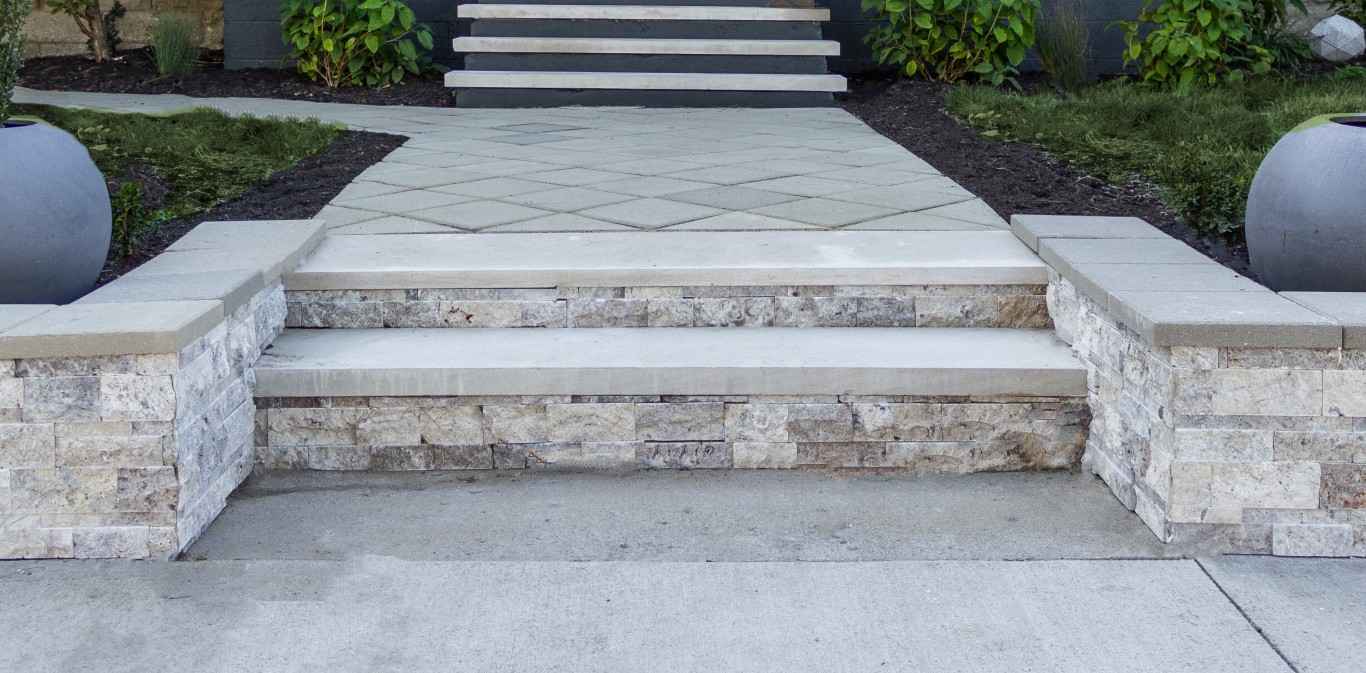
Transform Slopes Into Usable Space
Sloped yards present challenges for landscaping, drainage, and usability. Retaining walls solve these problems by holding back soil and creating level areas where you can build, plant, or simply enjoy your property. A well-designed retaining wall turns unusable hillside into functional terraces, prevents erosion, manages water runoff, and adds visual interest to your landscape. These structures are both practical and attractive when done right.
In San Bruno, many properties have significant slopes due to our hilly terrain. Retaining walls are often necessary for driveways, patios, and yard areas. They prevent soil from washing down hills during heavy rain and keep your property stable. The Bay Area also has seismic requirements for retaining walls, which means proper engineering and construction are essential. A poorly built retaining wall can fail catastrophically, causing property damage and safety hazards.
We design and build concrete retaining walls of all sizes, from small garden walls to large structural walls several feet high. Our experience with local soil conditions, building codes, and engineering requirements ensures your wall will be stable, long-lasting, and compliant with regulations. We also handle all the concrete masonry work your property needs, from foundation walls to decorative block work.
Types of Retaining Walls We Build
Concrete block retaining walls are the most common and versatile option. We use concrete masonry units (CMUs) that stack together and get reinforced with steel and concrete fill. These walls can be built to almost any height and handle significant loads. The blocks come in various styles including standard gray, decorative finishes that look like natural stone, and even colored options. Block walls are strong, durable, and more affordable than poured concrete for most applications.
Poured concrete retaining walls offer maximum strength and flexibility in design. These walls are formed and poured on-site, allowing for custom shapes, curves, and heights. For tall walls or walls supporting heavy loads, poured concrete is often the best choice. We can finish these walls with smooth surfaces, exposed aggregate, or apply decorative treatments. The solid construction provides excellent stability and requires minimal maintenance.
Segmental retaining walls (SRW) use interlocking concrete blocks designed specifically for retaining wall applications. These systems are engineered to work together and include features like built-in setback and connection pins. SRW walls look attractive, install relatively quickly, and work well for most residential applications. Many styles mimic natural stone, giving you an upscale appearance at a reasonable cost.
Boulder and natural stone walls offer rustic beauty but require significant expertise to build correctly. We select and place large boulders or stones to create strong, stable walls that look like natural outcroppings. These walls work beautifully in naturalistic landscapes but cost more due to material selection and the labor-intensive installation process. When you want a wall that looks like it has always been part of the landscape, stone is hard to beat.
Retaining Wall Applications
- Creating level areas for patios, lawns, or gardens on sloped properties
- Supporting driveways and parking areas cut into hillsides
- Preventing soil erosion on slopes and banks
- Building terraced gardens and planting beds
- Stabilizing slopes above or below structures
- Creating privacy barriers and property borders
- Supporting outdoor living spaces and entertainment areas
Engineering and Design Considerations
Retaining wall engineering is not optional. Walls over a certain height (usually 3 to 4 feet, depending on local codes) require engineered plans and building permits. Even shorter walls need proper design to ensure stability. The engineering accounts for soil type, slope angle, drainage, surcharge loads (like driveways or buildings above the wall), and seismic forces. We work with structural engineers to develop plans that meet all requirements.
Drainage is the most critical factor in retaining wall success. Water building up behind a wall creates hydrostatic pressure that can cause failure. Every retaining wall needs a drainage system including gravel backfill, perforated drain pipe, and weep holes or drainage outlets. Proper drainage removes water before it builds up pressure. Most retaining wall failures are drainage failures, not structural failures, which is why we pay so much attention to this detail.
Foundation design determines how stable your wall will be. Retaining walls need solid foundations that extend below the frost line and rest on undisturbed or properly compacted soil. The foundation must be level and strong enough to support the entire wall and the soil behind it. For taller walls, we pour reinforced concrete footings. Shorter walls might use compacted gravel bases. The foundation is the most important part of the wall even though you will never see it.
Reinforcement gives retaining walls the strength to resist soil pressure. Block walls get steel rebar placed vertically in the cores, which are then filled with concrete. Poured walls use horizontal and vertical rebar grids. Some wall systems use geogrid, a mesh material that extends back into the soil to anchor the wall. The amount and placement of reinforcement depend on engineering calculations based on your specific site conditions.
The Construction Process
Planning and permits come first. We assess your property, discuss your goals, and develop a design that solves your problems while looking great. If engineering is required, we coordinate with engineers to develop stamped plans. We handle the permit process so you do not have to deal with the building department. Getting permits and approvals before construction prevents problems and ensures your wall is legal and compliant.
Excavation and base preparation are where the real work begins. We dig out the foundation area, often removing significant amounts of soil to reach solid ground. The foundation trench must be level and properly sized. For tall walls, this might mean excavating several feet deep and wide. We install compacted gravel bases or pour concrete footings depending on the wall design. This foundation work is critical even though it all gets buried.
Wall construction proceeds from the foundation up. For block walls, we lay the first course on the foundation, checking constantly for level and alignment. Vertical reinforcement gets placed as we go, and cores are filled with concrete. Each course must be level and properly positioned before adding the next. For poured walls, we build forms, install reinforcement, and pour concrete in lifts. The process requires skill, patience, and attention to detail.
Drainage installation happens as the wall goes up. We place drain pipe at the base of the wall, surround it with gravel, and run it to proper drainage outlets. Gravel backfill provides a drainage layer behind the wall. Weep holes allow water to escape. This drainage system is hidden once backfilling is complete, but it is essential for wall longevity. We never compromise on drainage because we know how important it is.
Backfilling and compaction complete the project. We fill behind the wall with appropriate material, compacting it in layers to prevent settling. The top of the wall gets capped with cap blocks or concrete for a finished appearance. We clean up the site, address any landscaping disturbed during construction, and make sure water drains properly. Inspection approval confirms the wall meets all code requirements and the project is complete.
Concrete Masonry Beyond Retaining Walls
Foundation walls for homes and buildings are a major part of our masonry work. These walls form the below-grade portions of structures, supporting the building and enclosing basements or crawl spaces. Foundation walls must be waterproofed and properly drained to prevent moisture problems. We build foundation walls to engineering specifications, coordinate with other trades, and ensure everything passes inspection.
Decorative masonry adds character to your property. We build pillars for entryways, columns for covered porches, garden walls, mailbox enclosures, and other masonry features. These elements can be finished with stucco, stone veneer, or left as exposed block depending on your aesthetic preferences. Quality masonry work becomes a permanent feature that enhances your property for generations.
Block walls for privacy and security serve practical purposes while defining property boundaries. We build solid block walls that provide privacy, reduce noise, and deter trespassing. These walls can be finished to match your home or landscape design. For commercial properties, we build security walls and perimeter barriers that meet safety and building requirements.
Structural repairs to existing masonry fix cracked walls, replace damaged blocks, and address settling or movement. Masonry problems do not fix themselves and usually get worse over time. We evaluate masonry damage, determine the cause, and provide repairs that restore structural integrity. Sometimes repairs involve underpinning foundations or rebuilding wall sections. We do whatever is necessary to make your masonry safe and stable again.
Matching New Work to Existing Structures
When adding to existing masonry or concrete, matching materials and appearance takes skill and experience. Block styles change over the years, and exact matches might not be available. We source materials as close as possible to your existing work, and we use techniques like staining or painting to blend new and old. For significant additions, sometimes rebuilding or refinishing everything creates a better result than trying to patch and match.
Working around mature landscaping requires care and planning. We minimize disruption to existing plants, trees, and landscape features. Sometimes walls need to curve around tree roots or accommodate special landscape elements. Our experience helps us design solutions that protect your landscaping while building the walls you need. After construction, we restore disturbed areas so your yard looks great again.