
Sidewalks, Walkways & Flatwork
Professional concrete sidewalks, walkways, and flatwork installation for homes and businesses in San Bruno.
Connect Your Property with Quality Concrete Walkways
Sidewalks and walkways are the arteries of your property. They guide visitors to your door, connect different areas of your yard, and provide safe, clean paths that keep mud and dirt from being tracked inside. A well-designed walkway system makes your property more functional and more attractive. Whether you need a simple front path or an elaborate network of garden walkways, quality concrete provides the durability and low maintenance you need.
In San Bruno, concrete flatwork is everywhere. It is the material of choice for sidewalks, walkways, entrance paths, garden paths, and all kinds of functional surfaces around homes and businesses. Concrete handles our weather perfectly, requires minimal upkeep, and lasts for decades. Unlike pavers that shift and gravel that spreads, concrete stays put and stays level, providing reliable surfaces year after year.
We install all types of concrete flatwork throughout the Bay Area, and concrete sidewalk building is one of the most common requests we handle. From basic utility walkways to decorative entrance paths with borders and accents, we have the experience and skills to build exactly what you need. Every project gets the same attention to proper base preparation, quality materials, and professional finishing that ensures your concrete will look great and perform well for many years to come.
Types of Concrete Flatwork We Install
Among the flatwork we install, concrete sidewalk building is the most common type. If you are building or renovating, local codes require sidewalks along the street frontage of your property. These sidewalks must meet specific width, slope, and construction standards. We know all the local requirements and handle permits and inspections so your sidewalk passes inspection the first time. We also coordinate with city requirements for existing sidewalks that need repair or replacement due to damage or tree root issues.
Residential walkways connect your driveway or sidewalk to your front door, back door, or other areas of your property. A good front walkway should be at least 3 feet wide, though 4 to 5 feet is better for a more welcoming appearance. We can pour simple, straight paths or design curved, flowing walkways that add visual interest to your landscaping. Lighting integration and decorative elements can turn a basic walkway into a real design feature.
Garden paths and secondary walkways help you access all areas of your yard without trampling plants or creating muddy tracks. These can be narrower than main walkways, typically 2 to 3 feet wide. Stamped or decorative finishes work beautifully for garden paths, creating stepping stone looks or natural textures that blend with your landscaping.
Commercial flatwork includes sidewalks around businesses, walkways through parking lots, loading dock areas, and any concrete surface that is not a building pad or parking area. These installations often require thicker concrete to handle heavier loads and more traffic. We work with business owners and property managers to schedule work that minimizes disruption to operations and customers.
Applications for Concrete Flatwork
- Front entry walkways and paths to side or back doors
- Public sidewalks along street frontage
- Garden paths connecting different landscape areas
- Walkways around pools or between outdoor living spaces
- Utility pads for air conditioning units, generators, or trash bins
- Wheelchair ramps and ADA-compliant access paths
- Commercial walkways, courtyards, and pedestrian areas
Design Considerations for Walkways
Width is the first thing to consider. A 3-foot walkway allows one person to walk comfortably. Four feet lets two people walk side by side. Five feet or wider creates a grand entrance feel and works well for main entry paths. Narrow garden paths can be as little as 2 feet wide, just enough for single-file walking. Think about how the walkway will be used and who will use it when deciding on width.
The path your walkway takes matters too. Straight paths are efficient and formal. Curved paths feel more natural and can help you work with the existing landscape instead of cutting through it. Gentle curves look better than sharp angles. We can design walkways that flow naturally with your yard, avoid mature trees, and create pleasant sight lines from different viewing points.
Slope and drainage are critical for walkways. Concrete needs to slope away from buildings to direct water properly. For long walkways, we create gentle slopes or add drains to prevent water from pooling. Walkways should never slope toward your house or create low spots where water collects. Proper grading during installation prevents drainage problems and ice formation in winter.
Surface finish affects both appearance and safety. A broom finish provides good traction and works for any walkway. Smooth finishes look sleek but can be slippery when wet, so we usually save these for covered areas. Exposed aggregate creates attractive, textured surfaces with excellent traction. Stamped concrete can mimic brick, stone, or tile patterns while maintaining a safe walking surface. We help you choose a finish that balances your aesthetic goals with practical considerations.
Our Installation Process
Planning comes first. We meet with you to discuss your needs, measure the area, and talk about design options. For public sidewalks, we check local requirements and handle permit applications. We mark the layout with spray paint or stakes so you can visualize the path before we start digging. This is your chance to make any changes to the route or width.
Excavation and base work come next. We dig out the path to the proper depth, typically 6 to 8 inches total. This allows room for a gravel base and the concrete slab. The base layer gets compacted thoroughly to prevent settling. We pay special attention to making sure the base slopes correctly for drainage. This groundwork is where quality flatwork is really made because a good base prevents future problems.
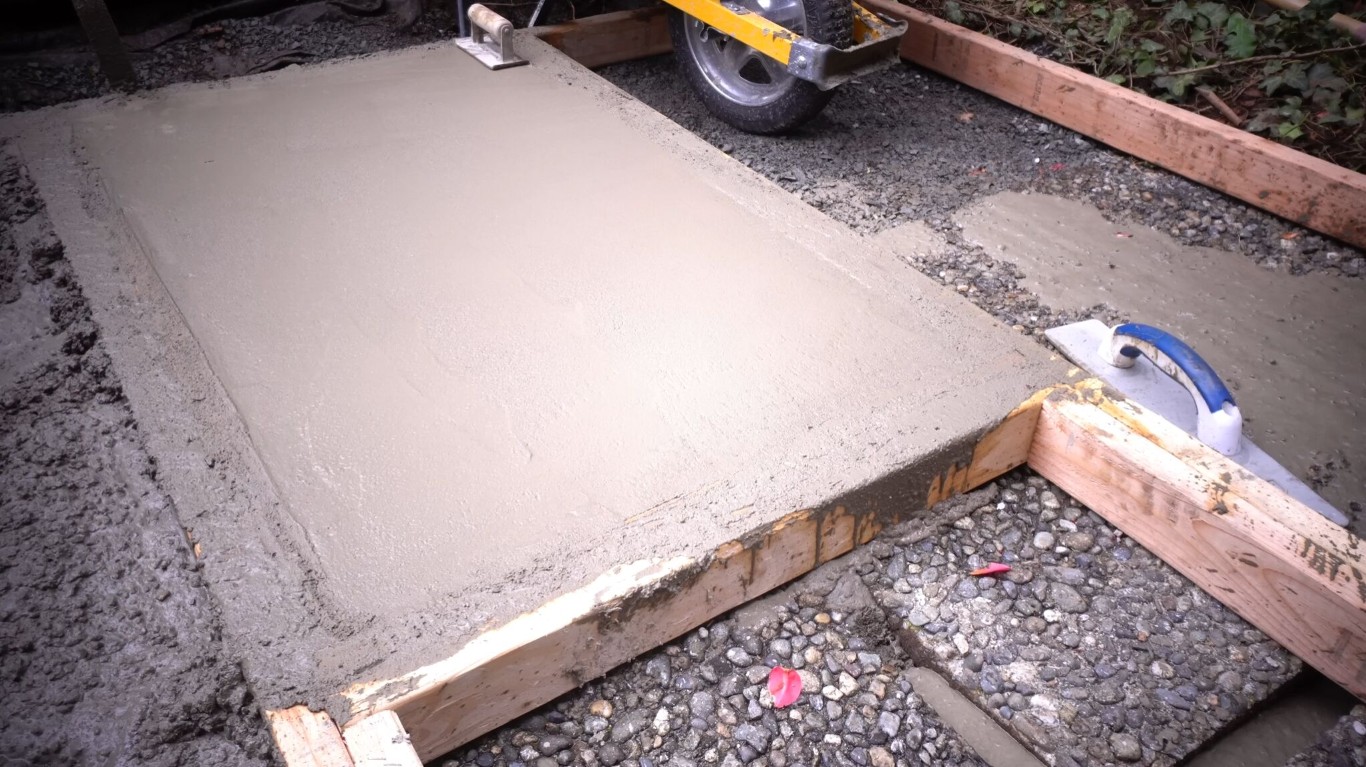
Forms are set to define the edges of your walkway and hold the concrete at the right height. We use straight boards for straight paths and flexible forms for curves. The forms are leveled and braced so they do not move during the pour. For walkways connecting to existing concrete like your driveway or patio, we make sure the height matches perfectly to avoid trip hazards.
The concrete pour happens quickly once everything is prepared. We use 4 inches of concrete for standard residential walkways. Commercial applications or paths that might see vehicle traffic get thicker concrete and additional reinforcement. Our crew spreads the concrete evenly, levels it with the forms, and applies your chosen finish. Control joints are cut or formed every 4 to 5 feet to control where cracks occur as the concrete cures.
Curing is the final step. We apply curing compounds to help the concrete develop its full strength. You should stay off new walkways for at least 24 hours, and we recommend waiting a full week before heavy use. During this time, we may water the concrete or cover it to maintain proper moisture levels. After curing, your new walkway is ready to serve your property for decades with minimal maintenance.
ADA Compliance and Accessibility
If you need wheelchair-accessible walkways or ramps, we build those according to ADA (Americans with Disabilities Act) standards. Accessible walkways must be at least 36 inches wide with no more than a 1:12 slope (one inch of rise for every 12 inches of length). Surfaces must be firm, stable, and slip-resistant. We install proper landings, handrails, and edge protection as required by code.
For residential properties, aging-in-place modifications are becoming more common. Homeowners want to make their properties accessible for themselves or family members with mobility challenges. We can replace steps with ramps, widen existing walkways, and improve surfaces to eliminate trip hazards. These modifications allow people to stay in their homes safely as their mobility needs change.
Commercial properties must meet stricter accessibility requirements. We work with business owners to ensure all public walkways, entrances, and paths comply with current ADA standards. This includes proper curb cuts, detectable warning surfaces, and maintaining specific slopes and cross-slopes. Non-compliant walkways can result in fines and lawsuits, so getting it right from the start is essential.