Stamped & Decorative Concrete
Get the high-end look of natural stone, brick, or tile with the durability and value of concrete.
Transform Ordinary Concrete Into Something Beautiful
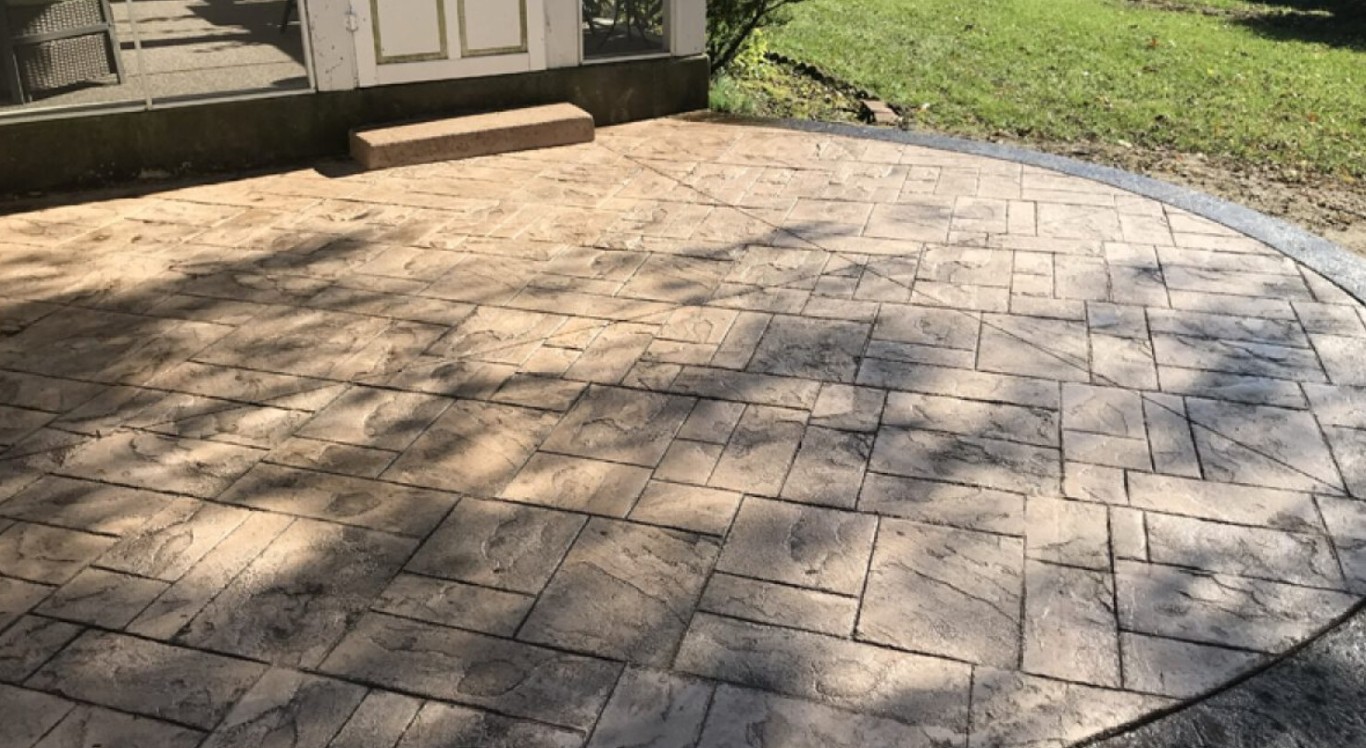
Plain gray concrete is practical, but it does not exactly make a statement. Stamped and decorative concrete gives you all the strength and durability of traditional concrete with the beauty of much more expensive materials. You can create the look of natural flagstone, cobblestone, brick, wood planks, or tile without the high cost or maintenance that comes with those materials.
Stamped concrete works by pressing patterns into freshly poured concrete before it fully hardens. We use specialized stamps and tools to create realistic textures that mimic natural materials. Combined with integral color or color hardeners, the results are stunning. Your neighbors might not even realize it is concrete until they look closely.
In San Bruno, decorative concrete has become increasingly popular for patios, driveways, walkways, pool decks, and even interior floors. It offers the perfect combination of beauty, durability, and value. You get a custom, high-end look without breaking your budget or committing to the ongoing maintenance that natural stone or pavers require.
Popular Stamped Concrete Patterns and Styles
The variety of patterns available with stamped concrete services is impressive. Each pattern creates a different look and feel, so you can match your home's architecture and your personal style. Here are some of the most popular options we install in San Bruno.
Ashlar slate is one of our most requested patterns. It creates the look of large, rectangular slate tiles with natural-looking texture and grout lines. This pattern works beautifully for modern and traditional homes alike. When combined with earth-tone colors, ashlar slate creates an elegant, upscale appearance that looks like real stone.
Random stone patterns mimic irregular flagstone or natural fieldstone. This style has an organic, rustic feel that works great for homes with landscaping heavy on plants and natural elements. The random layout makes each installation unique, and the textured surface provides good traction even when wet.
Cobblestone and European fan patterns are perfect for creating old-world charm. These patterns feature rounded stones arranged in circular or fan-shaped layouts. They are popular for entryways, courtyards, and areas where you want a more formal, classical appearance. Cobblestone stamped concrete looks especially nice on driveways and walkways leading to traditional or Mediterranean-style homes.
Wood plank stamping has become trendy for creating the look of weathered wood decking or boardwalks without the rot, splinters, or maintenance issues of real wood. This pattern is ideal for pool decks, patios, and porches. We can even create realistic wood grain texture and coloring that mimics specific wood species like oak or cedar.
Seamless skin patterns provide subtle texture without defined lines or joints. These finishes create organic, natural looks like leather, slate, or sandstone. Seamless textures work well for large areas where you want visual interest without a busy, repetitive pattern. They are also great for modern designs where you want a clean, sophisticated appearance.
Design Elements We Can Include
- Multiple colors for depth and realism
- Contrasting borders and accent bands
- Custom patterns and medallions
- Saw-cut designs and scoring for geometric looks
- Staining and antiquing for aged appearance
- Integration with natural stone or other materials
- Matching existing hardscaping for cohesive design
The Stamped Concrete Installation Process
Creating beautiful stamped concrete requires skill, timing, and attention to detail. The process starts just like any concrete project with excavation, base preparation, and forming. Once we have the site ready, we pour fresh concrete and level it to the proper thickness and slope.
Color can be added in several ways. Integral color is mixed directly into the concrete before it is poured, giving the entire slab consistent color throughout. This means any chips or wear will not expose gray concrete underneath. Color hardeners are applied to the surface after the concrete is placed, creating richer, more varied tones. We often use a combination of both methods for the most realistic results.
The stamping itself happens when the concrete reaches the right consistency. This is where experience really matters. If we stamp too early, the concrete is too soft and the patterns will not hold. If we wait too long, the concrete gets too hard to stamp properly. Our crew has years of experience and knows exactly when to start stamping for perfect results.
We use release agents on the stamps to prevent them from sticking to the concrete. These release agents also add subtle color variations that enhance the natural appearance. Each stamp is carefully placed, pressed firmly into the concrete, and then removed. The process continues section by section until the entire area is stamped. For large areas, multiple crew members work simultaneously to complete the stamping before the concrete hardens.
After stamping, we may apply additional color using antiquing agents or stains to add depth and highlight the texture. Once the concrete has cured for several days, we clean the surface and apply a high-quality sealer. The sealer protects the concrete from stains, moisture, and UV damage while enhancing the colors and giving the surface a beautiful finish. You can choose from satin, semi-gloss, or high-gloss sealers depending on the look you want.
Color Options to Match Any Style
Color is where decorative concrete really comes to life. We offer dozens of color options ranging from natural earth tones to bold, contemporary hues. The key is choosing colors that complement your home and landscape while creating the look you are going for.
Earth tones like tan, brown, terracotta, and gray are the most popular choices. These natural colors blend beautifully with landscaping and work with any architectural style. We often use multiple earth tones together to create depth and variation, just like you see in natural stone. A base color provides the overall tone, while accent colors add highlights and shadows that make the pattern look realistic.
For a more dramatic look, consider richer colors like burgundy, charcoal, or sandstone. These deeper tones create sophisticated, upscale appearances perfect for formal entryways or entertainment areas. We can also create custom color blends to match specific stones or tiles you like.
Cool tones like slate blue, sage green, or warm grays have become trendy for modern homes. These colors create contemporary looks that pair well with minimalist landscaping and clean architectural lines. When combined with smooth or geometric patterns, cool-toned decorative concrete makes a bold, modern statement.
Maintaining Your Decorative Concrete
One of the best things about stamped concrete is how easy it is to maintain compared to natural stone or pavers. There are no individual stones to replace, no sand between joints to wash away, and no weeds to pull. A simple cleaning routine and periodic resealing are all you need to keep your decorative concrete looking fantastic for decades.
Clean your stamped concrete regularly with a broom or leaf blower to remove dirt and debris. For deeper cleaning, use a garden hose or pressure washer with a mild detergent. Avoid harsh chemicals or abrasive cleaners that can damage the sealer or color. Most stains wipe up easily if you catch them quickly, especially on sealed surfaces.
Resealing is the most important maintenance task. Plan to reseal your decorative concrete every two to three years, or more often for high-traffic areas. Sealer wears away over time from foot traffic, UV exposure, and weather. When you notice the surface looking dull or water no longer beading up on the surface, it is time to reseal. The process is simple and can be done in a day, and it dramatically refreshes the appearance of your concrete.
Avoid using de-icing salts in winter, as they can damage both the concrete and the decorative finish. Sand provides traction on icy surfaces without causing damage. Keep heavy or sharp objects from being dragged across the surface to prevent scratches in the sealer. With these simple precautions, your stamped concrete will maintain its beauty for many years.
Stamped Concrete vs. Other Materials
When deciding on materials for your outdoor hardscaping project, it helps to understand how stamped concrete compares to alternatives. Natural stone is beautiful but expensive, often costing two to three times more than stamped concrete. Stone also requires more maintenance, including periodic resealing and joint repair. Individual stones can crack, settle, or become uneven over time.
Pavers offer design flexibility but come with higher installation costs and ongoing maintenance. Sand between pavers washes away and needs replenishing. Weeds grow in the joints. Individual pavers can shift or sink, creating trip hazards. Stamped concrete eliminates all these issues by creating a monolithic surface that stays level and stable.
Plain concrete is the most affordable option, but it lacks the visual appeal of decorative finishes. For just a modest increase in cost, stamped concrete transforms ordinary gray concrete into something special. The value it adds to your property often exceeds the extra investment, making it a smart choice for homeowners who want both beauty and practicality.
Wood decking requires constant maintenance including staining, sealing, and eventually replacing boards as they rot. Stamped concrete that mimics wood gives you the look of a wood deck without any of these problems. It will not splinter, warp, or attract termites, and it lasts far longer with far less maintenance.